
By Nsa, Christiana
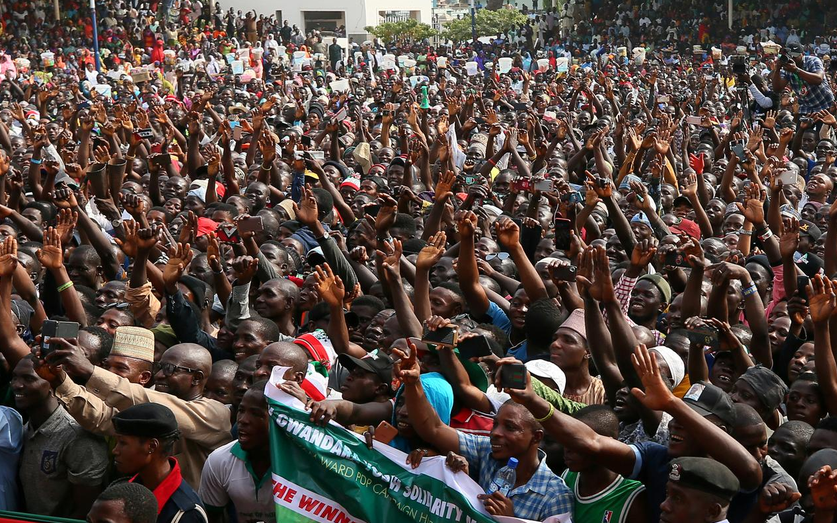
Nigeria is blessed with one of the largest youth populations of two hundred and forty-two million, four hundred and thirty-one thousand, eight hundred and thirty-two), in the world, a demographic advantage that should drive innovation, economic growth, and national development. However, the persistent rise in youth unemployment has become one of the country’s most pressing socio-economic challenges. Despite the talents, creativity, and resilience of Nigerian youths, many graduates and skilled individuals remain unemployed or underemployed, creating frustration and limiting the nation’s progress.
Several factors have contributed to this growing problem. The education system often fails to equip graduates with the practical and digital skills required by today’s labour market. In addition, slow industrial growth, limited investment, inadequate infrastructure, and an unstable business environment have reduced employment opportunities. Many small and medium sized enterprises, which are expected to create jobs, struggle to survive because of high operating costs, inconsistent power supply, and inflation.
The consequences of youth unemployment extend beyond financial hardship. Many young people experience poverty, depression, and loss of hope. Others migrate in search of greener pastures, resulting in a brain drain that deprives the country of valuable human resources. In some cases, prolonged unemployment pushes vulnerable youths into cybercrime, drug abuse, kidnapping, and other social vices, threatening national security and social stability.
Addressing this challenge requires a collaborative effort from government, the private sector, educational institutions, and the youths themselves. Government should create policies that encourage investment, support entrepreneurship, and improve infrastructure. Educational institutions must revise their curricula to include entrepreneurship, digital literacy, vocational training, and other industry relevant skills. The private sector should provide internships, apprenticeships, and mentorship programmes that prepare young people for the workplace.
Young Nigerians must also embrace continuous learning, innovation, and self-development. Rather than relying solely on white-collar jobs, they should explore opportunities in agriculture, technology, the creative industry, renewable energy, and digital entrepreneurship. The internet has opened doors for freelancing, remote work, online businesses, and content creation, enabling many youths to earn sustainable incomes while contributing to the economy.
Nigeria’s greatest asset is its youthful population. If properly educated, empowered, and supported, Nigerian youths can transform the country’s economic fortunes and compete successfully on the global stage. Solving the unemployment crisis is not merely an economic necessity, it is an investment in Nigeria’s future. The time for decisive action is now.